Merging Shapes
Merging Shapes
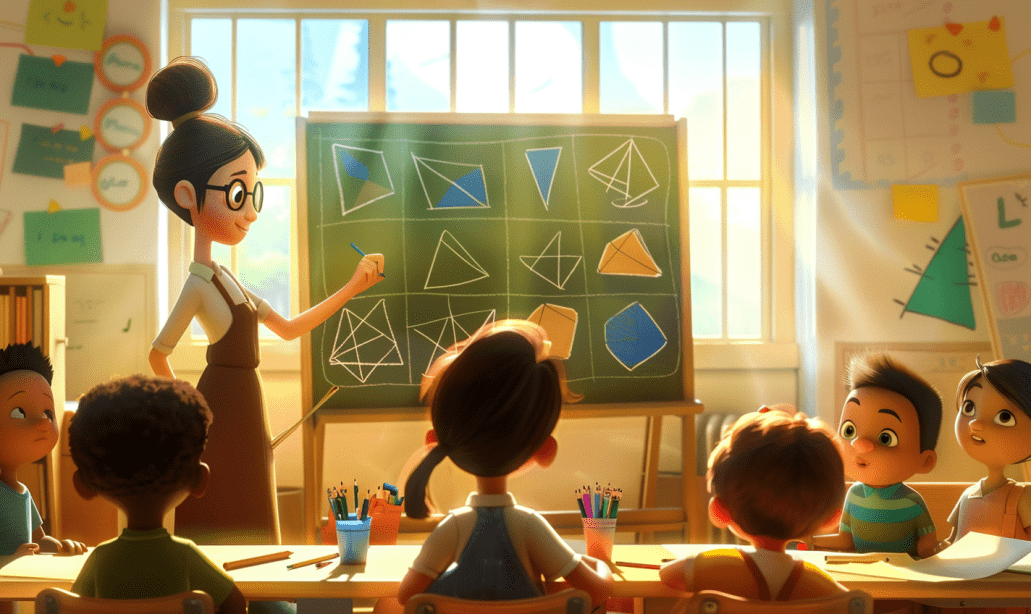
Merging Shapes questions test your ability to combine two or more shapes into a single new shape.
You may need to visualize overlaps, identify shared areas, or predict the result of combining elements.
Merging Shapes


Merging Shapes questions test your ability to combine two or more shapes into a single new shape.
You may need to visualize overlaps, identify shared areas, or predict the result of combining elements.
Merging Shapes
Merging Shapes questions test your ability to combine two or more shapes into a single new shape.
You may need to visualize overlaps, identify shared areas, or predict the result of combining elements.
Merging Shapes
Common Scenarios
- Shapes that overlap, combine, or intersect.
- Transformations like flipping or rotating before merging.
- Identifying missing or extra parts in a merged figure.
Merging Shapes



a
b
c
d
e
Which of the figures below contain only the above shapes?




The shapes can be rotated but cannot be mirrored or scaled. They also cannot overlap.
Merging Shapes
a
b
c
d
e
Which of the figures below contain only the above shapes?
The original is a square, while this answer contains a rectangle.
The shapes can be rotated but cannot be mirrored or scaled. They also cannot overlap.
Merging Shapes
a
b
c
d
e
Which of the figures below contain only the above shapes?
The parallelograms do not match.
The shapes can be rotated but cannot be mirrored or scaled. They also cannot overlap.
Merging Shapes
a
b
c
d
e
Which of the figures below contain only the above shapes?
One is a pentagon and the other a hexagon.
The shapes can be rotated but cannot be mirrored or scaled. They also cannot overlap.
Merging Shapes
a
b
c
d
e
Which of the figures below contain only the above shapes?
One is a square, the other a rectangle.
The shapes can be rotated but cannot be mirrored or scaled. They also cannot overlap.
Merging Shapes
a
b
c
d
e
Which of the figures below contain only the above shapes?
The shapes can be rotated but cannot be mirrored or scaled. They also cannot overlap.
This one is a perfect match.
The correct answer is figure a.
\checkmark
Merging Shapes
In the past illustrations, the shapes were not permitted to overlap. This will not always be the case; you may come across cases where two shapes can overlap, creating a notably different outline.

Merging Shapes
In the past illustrations, the shapes were not permitted to overlap. This will not always be the case; you may come across cases where two shapes can overlap, creating a notably different outline.

+
=
Merging Shapes
In the past illustrations, the shapes were not permitted to overlap. This will not always be the case; you may come across cases where two shapes can overlap, creating a notably different outline.
+
=
Merging Shapes
In the past illustrations, the shapes were not permitted to overlap. This will not always be the case; you may come across cases where two shapes can overlap, creating a notably different outline.

+
=
Note how, in this style of question, you are only presented with the merged outline. There are no internal lines to help you identify each shape.
Merging Shapes
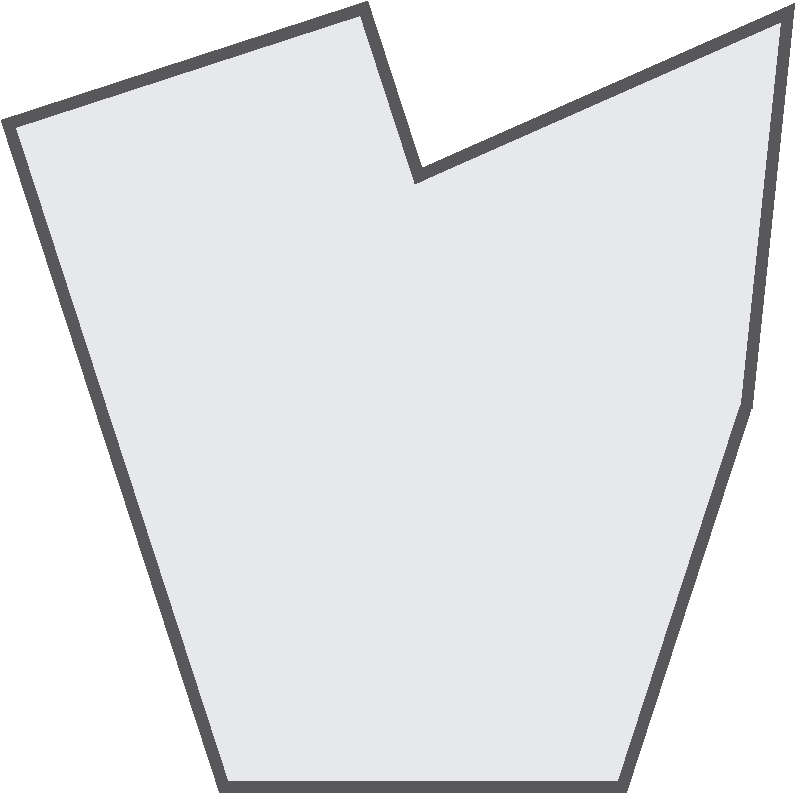

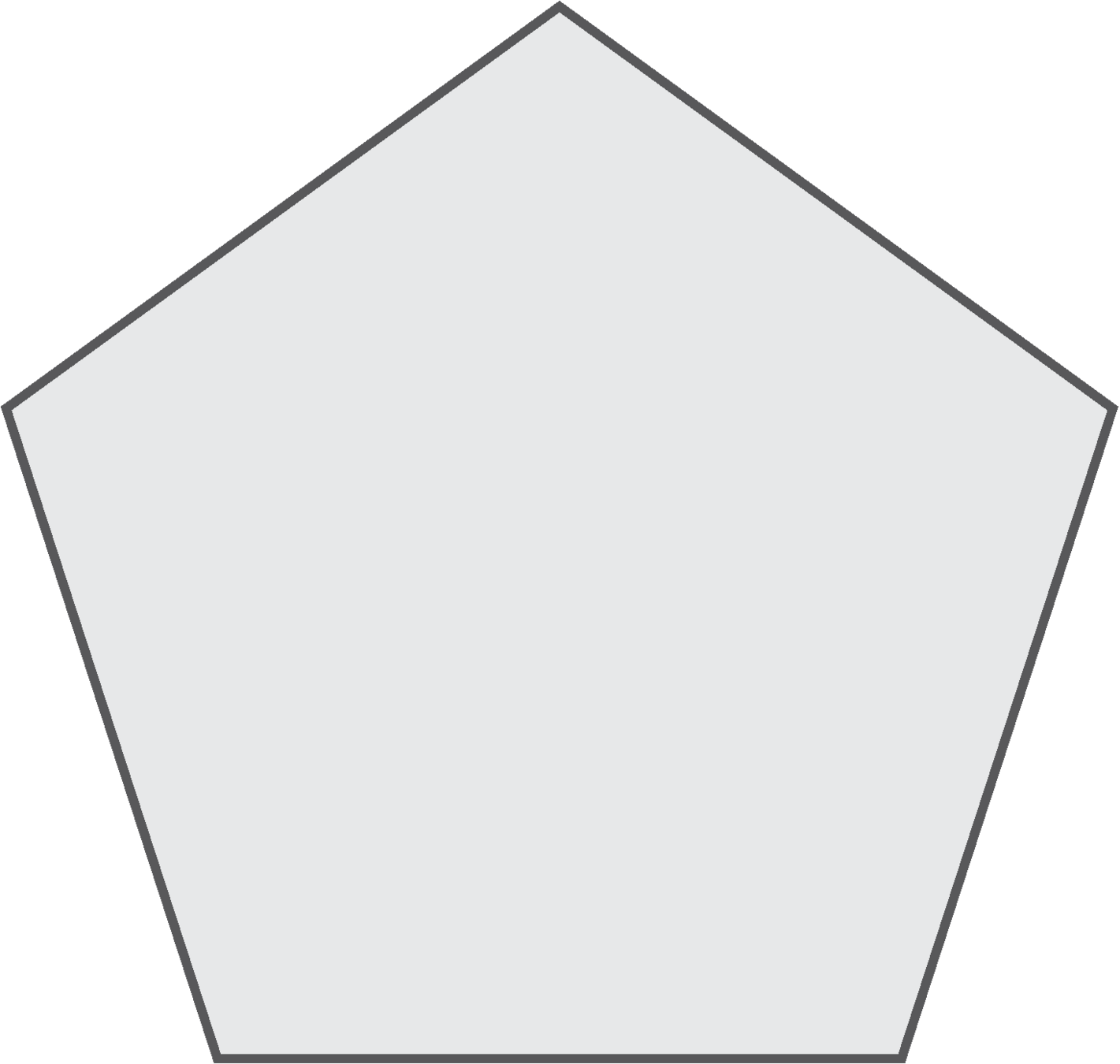
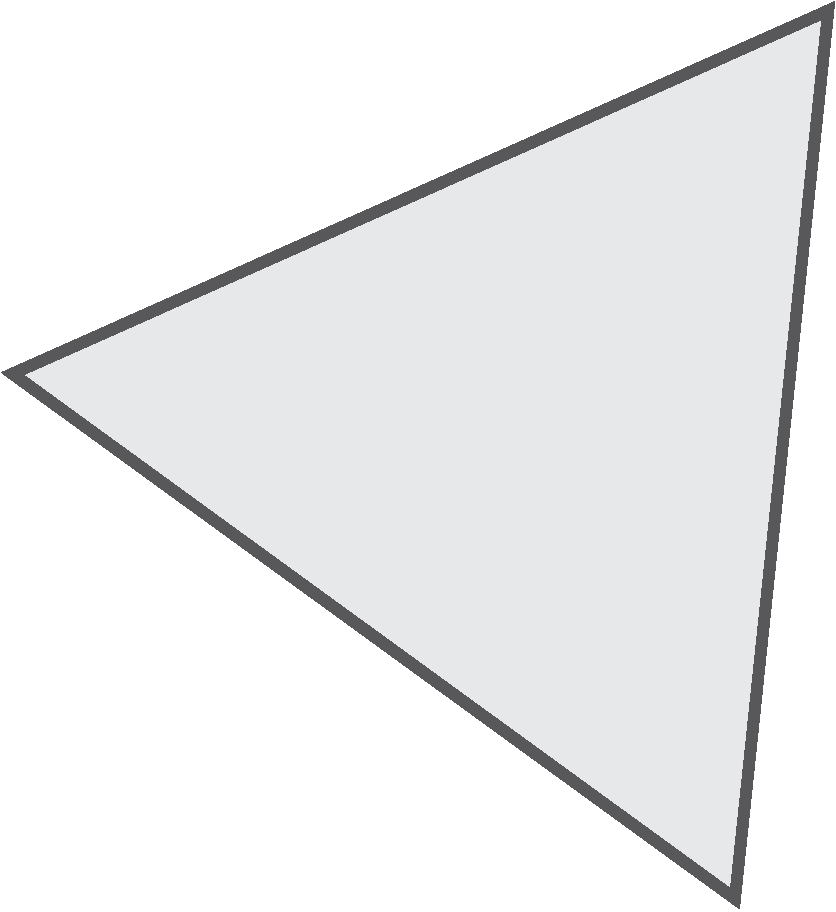
+
+
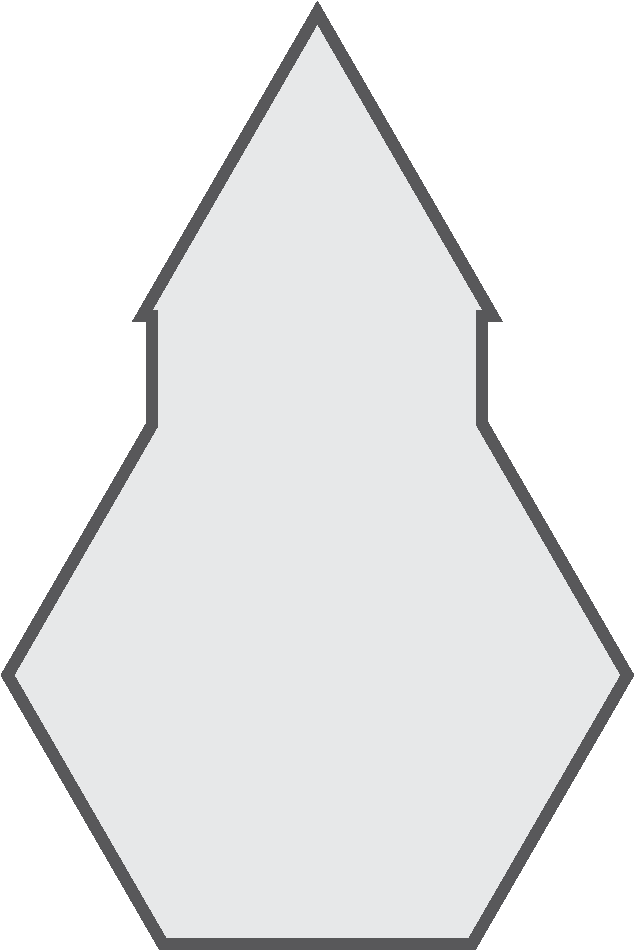
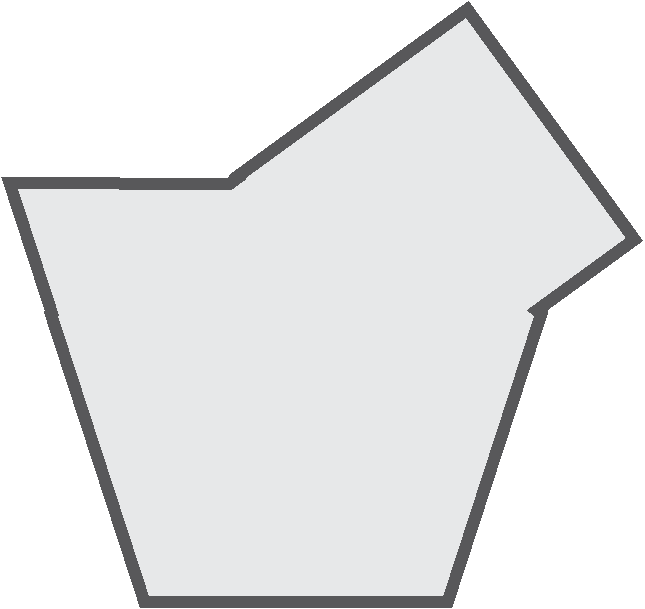

Which of the outlines below can be made by merging the shapes above?
a
b
c
d


Merging Shapes
+
+
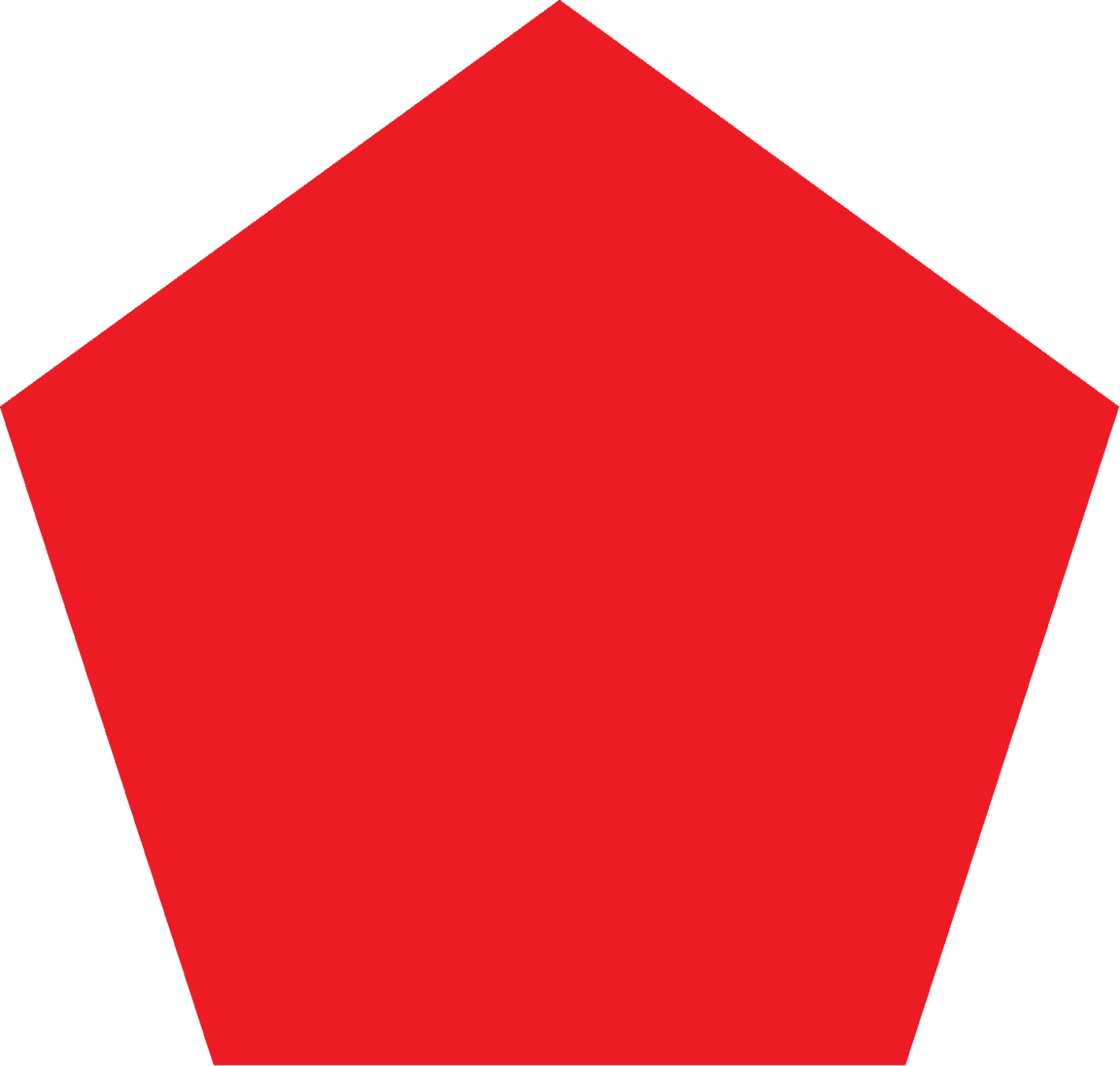
Which of the outlines below can be made by merging the shapes above?
a
b
c
d
The outline does not match the combined shapes.
Merging Shapes
+
+
Which of the outlines below can be made by merging the shapes above?
a
b
c
d
The outline does not match the combined shapes.
Merging Shapes
+
+
Which of the outlines below can be made by merging the shapes above?
a
b
c
d
The outline does not match the combined shapes.
Merging Shapes
+
+
Which of the outlines below can be made by merging the shapes above?
a
b
c
d
The outline is a perfect match of the combined shapes.
\checkmark
Merging Shapes
Another variant of these types of questions is when you're asked to subtract one shape from another.

-
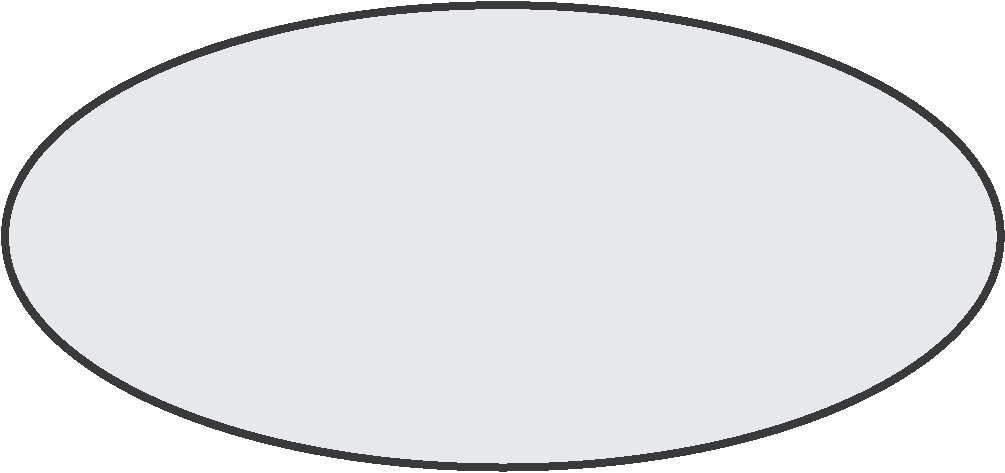
=
Merging Shapes
Another variant of these types of questions is when you're asked to subtract one shape from another.
-
=
Merging Shapes
Another variant of these types of questions is when you're asked to subtract one shape from another.
-
=
Merging Shapes
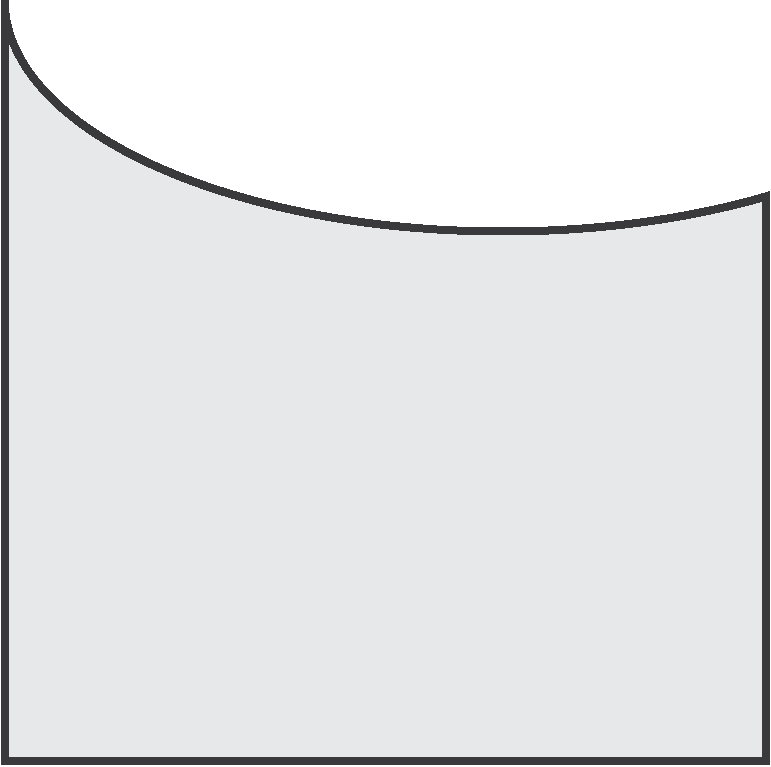
-
=
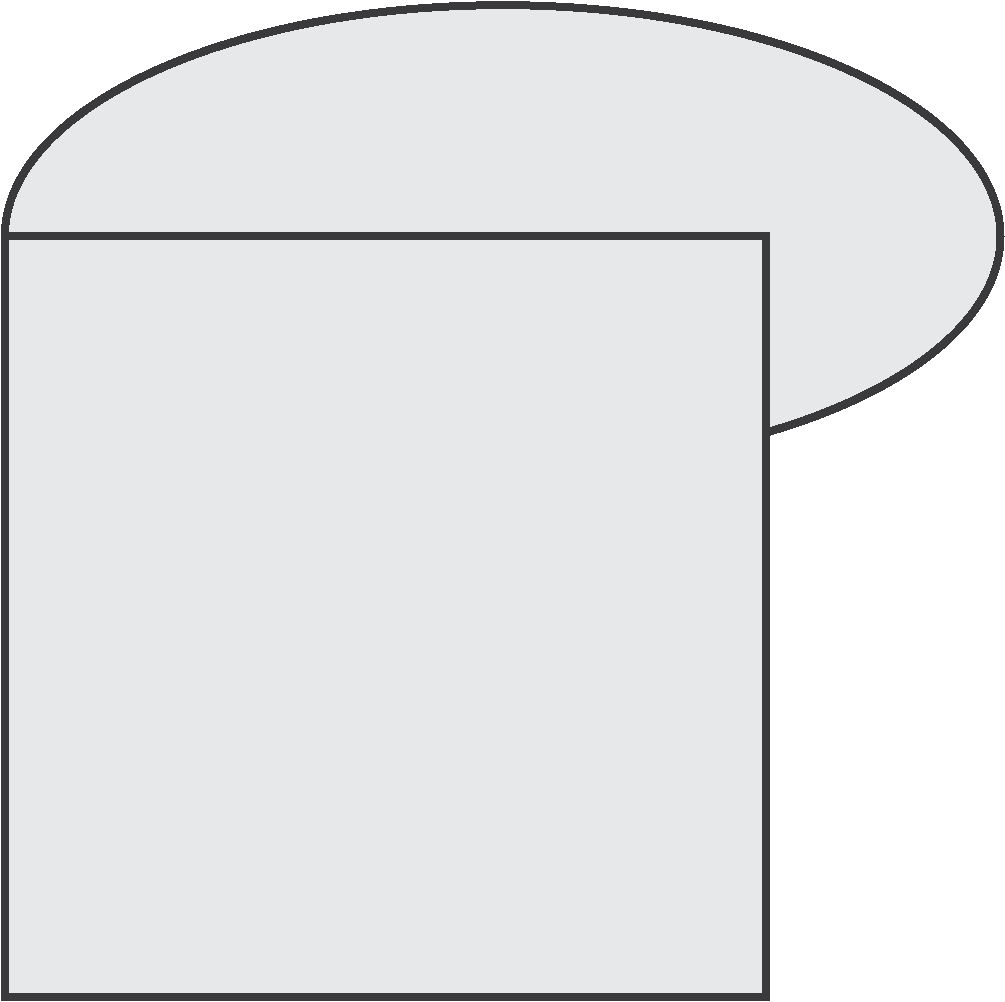
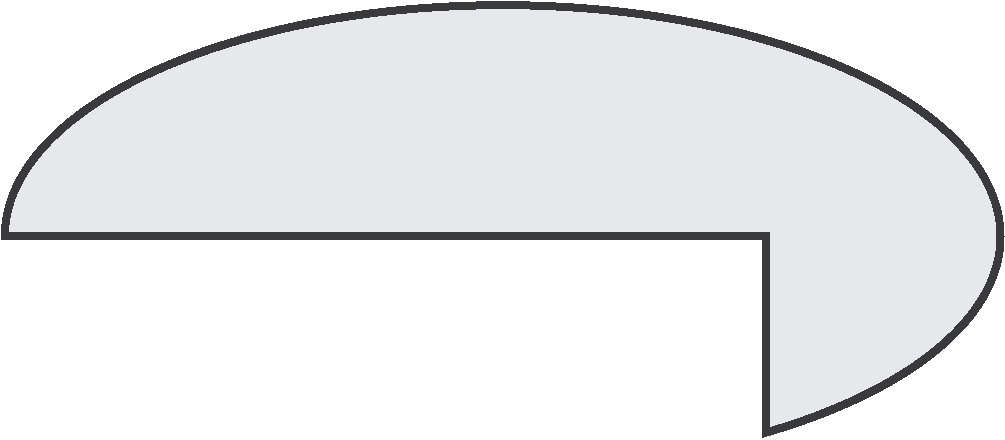
Pay attention to the order of operation. Subtracting shape A from B will give a different result than subtracting B from A.
Merging Shapes
-
=
Pay attention to the order of operation. Subtracting shape A from B will give a different result than subtracting B from A.
-
=
Merging Shapes
-
=
Pay attention to the order of operation. Subtracting shape A from B will give a different result than subtracting B from A.
-
=
Merging Shapes

+
-
a
b
c
d
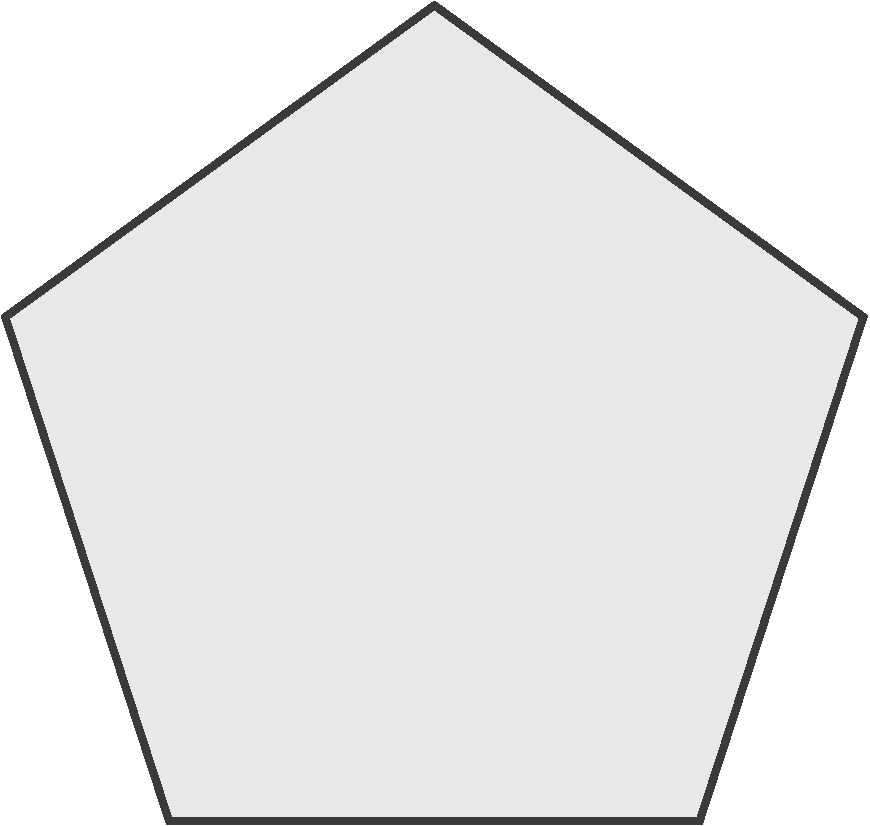
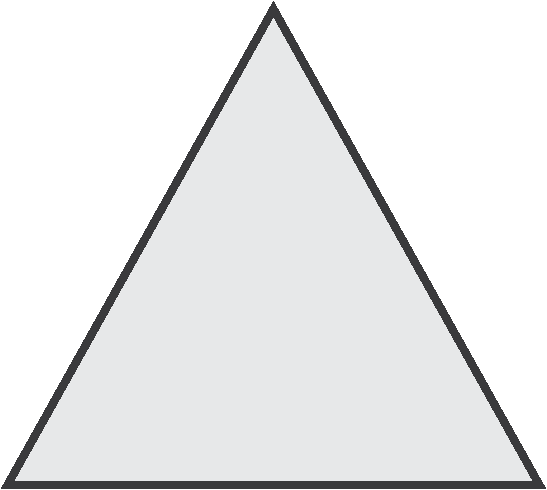
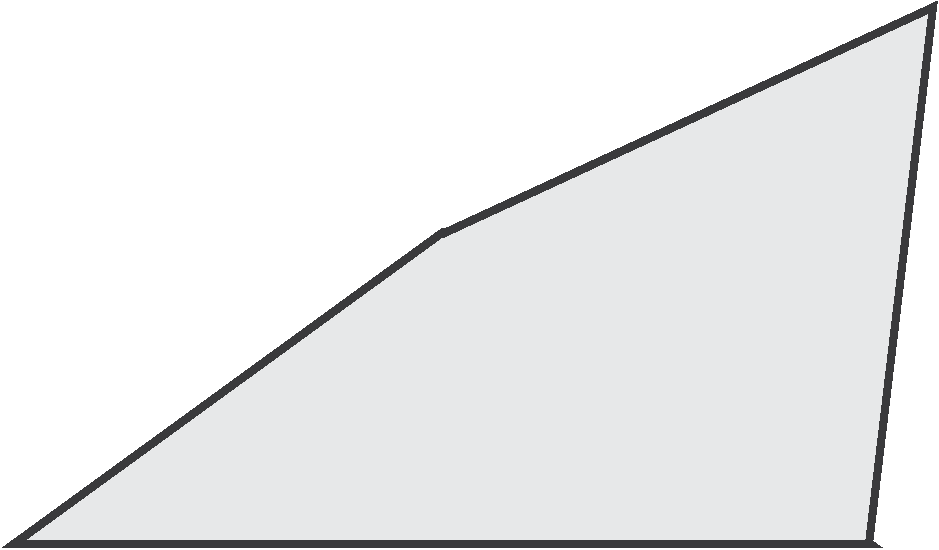
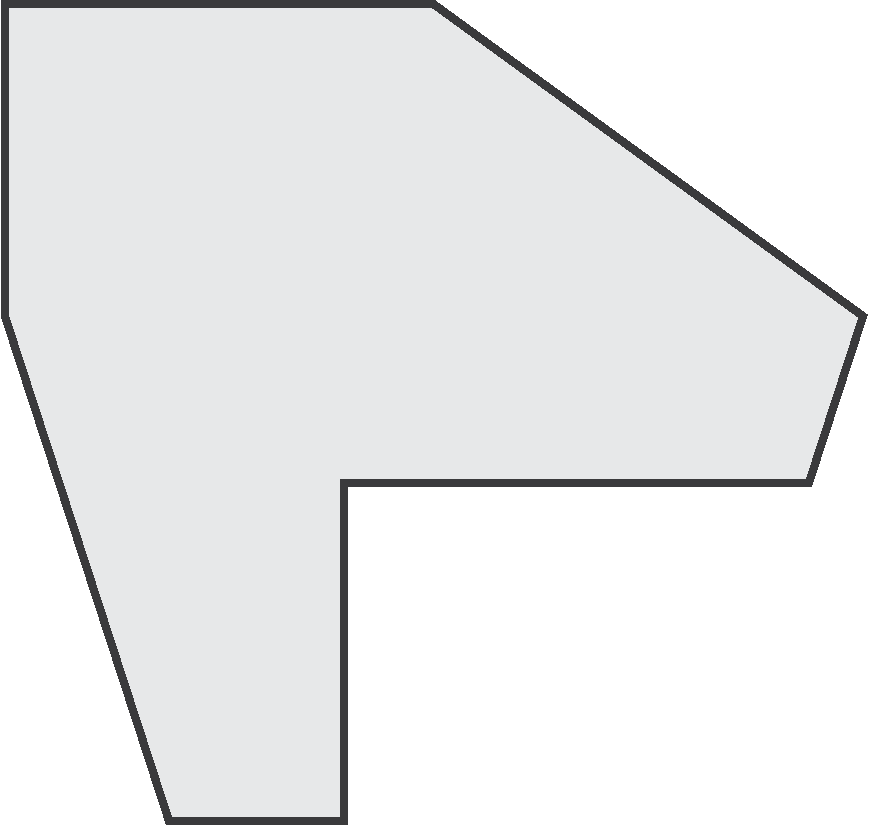
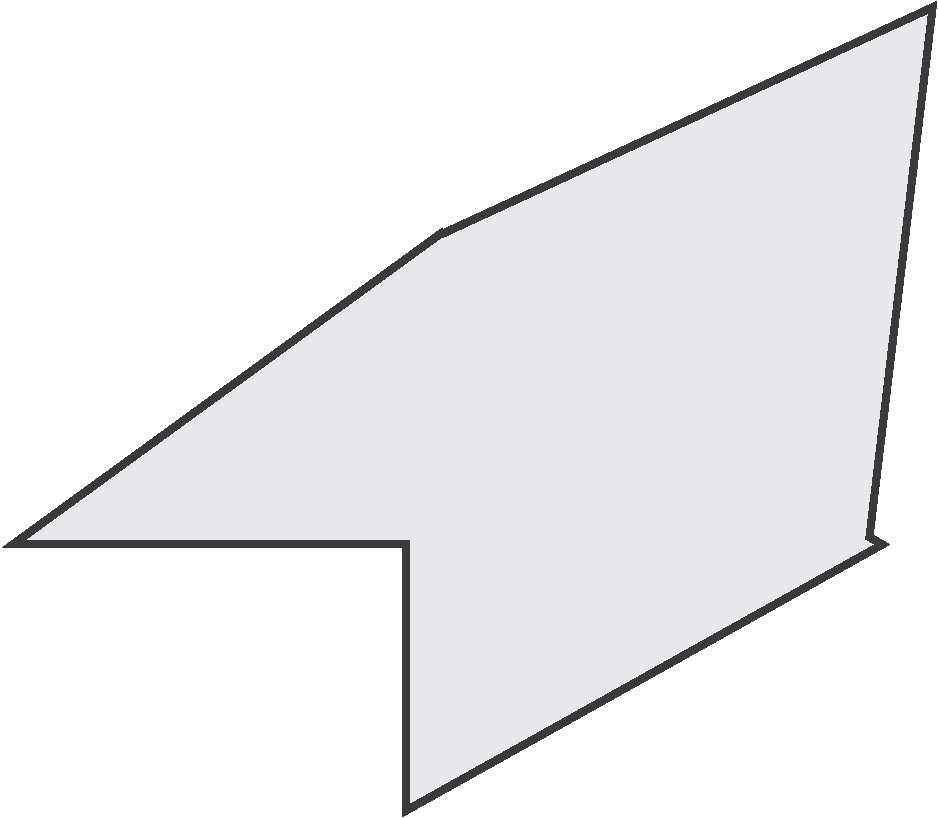
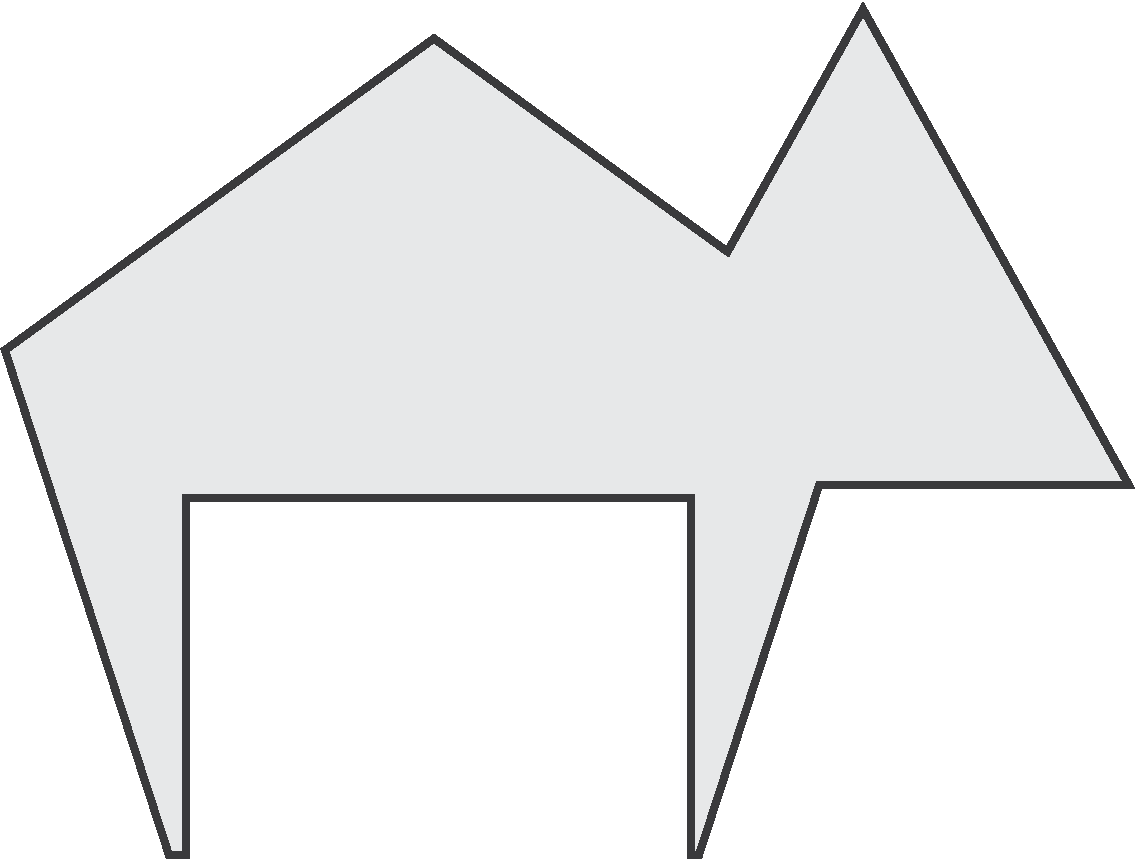
Which of the figures below can be formed by merging and subtracting the shapes according to the formula above?



Merging Shapes
+
-
a
b
c
d
Which of the figures below can be formed by merging and subtracting the shapes according to the formula above?
The subtracted bit does not fit the original shape
Merging Shapes
+
-
a
b
c
d
Which of the figures below can be formed by merging and subtracting the shapes according to the formula above?
There are bits missing that does not match the area of the rectangle.
Merging Shapes
+
-
a
b
c
d
Which of the figures below can be formed by merging and subtracting the shapes according to the formula above?
The outline cannot be made by combining the pentagon and the triangle.
Merging Shapes
+
-
a
b
c
d
Which of the figures below can be formed by merging and subtracting the shapes according to the formula above?
Both the outline and the missing area matches the original.
Merging Shapes
+
-
a
b
c
d
Which of the figures below can be formed by merging and subtracting the shapes according to the formula above?
Merging Shapes
+
-
a
b
c
d
Which of the figures below can be formed by merging and subtracting the shapes according to the formula above?
Merging Shapes
Focus on Overlapping Areas: Look for parts of the shapes that will overlap or combine when merged. Pay attention to shared lines, spaces, or patterns.
Visualize the Transformation: If shapes need to be flipped, rotated, or resized before merging, mentally picture the transformation step by step.
Compare Carefully: Check the details, such as angles, edges, and symmetry. Small differences in these features can help you eliminate incorrect options.
Work Methodically: Break down complex merges by focusing on one part of the shapes at a time. Simplifying the task can make patterns easier to spot.
Merging Shapes
Focus on Overlapping Areas: Look for parts of the shapes that will overlap or combine when merged. Pay attention to shared lines, spaces, or patterns.
Visualize the Transformation: If shapes need to be flipped, rotated, or resized before merging, mentally picture the transformation step by step.
Compare Carefully: Check the details, such as angles, edges, and symmetry. Small differences in these features can help you eliminate incorrect options.
Work Methodically: Break down complex merges by focusing on one part of the shapes at a time. Simplifying the task can make patterns easier to spot.
Merging Shapes
Focus on Overlapping Areas: Look for parts of the shapes that will overlap or combine when merged. Pay attention to shared lines, spaces, or patterns.
Visualize the Transformation: If shapes need to be flipped, rotated, or resized before merging, mentally picture the transformation step by step.
Compare Carefully: Check the details, such as angles, edges, and symmetry. Small differences in these features can help you eliminate incorrect options.
Work Methodically: Break down complex merges by focusing on one part of the shapes at a time. Simplifying the task can make patterns easier to spot.
Merging Shapes
Focus on Overlapping Areas: Look for parts of the shapes that will overlap or combine when merged. Pay attention to shared lines, spaces, or patterns.
Visualize the Transformation: If shapes need to be flipped, rotated, or resized before merging, mentally picture the transformation step by step.
Compare Carefully: Check the details, such as angles, edges, and symmetry. Small differences in these features can help you eliminate incorrect options.
Work Methodically: Break down complex merges by focusing on one part of the shapes at a time. Simplifying the task can make patterns easier to spot.
Well done! You should now have a very good understanding of merging shapes in non-verbal reasoning. NVR requires a lot of practice, however, so the next step is to get going with some of our NVR mock tests. Don't despair if your first scores aren't as good as you had hoped. The key to NVR tests is familiarity with the question types. Keep practicing and you will notice that you get a little bit better and a little bit faster each time.
11+ Non-Verbal Reasoning: Merging Shapes
By Pluspapers