NVR - Series

NVR - Series
Unlocking the Patterns in Non-Verbal Reasoning
Series questions require identifying patterns and determining what comes next in a sequence of shapes or figures.
Practicing NVR series will improve your logical thinking and pattern recognition.
NVR series questions are commonly featured in the Non-Verbal Reasoning section of 11+ assessments.
Practicing NVR series builds good problem-solving skills for your daily life and STEM fields.
NVR - Series
Unlocking the Patterns in Non-Verbal Reasoning
Series questions require identifying patterns and determining what comes next in a sequence of shapes or figures.
In NVR pattern series question, we must study all the step-by-step changes in order to identify the next step.
?
NVR - Series
Unlocking the Patterns in Non-Verbal Reasoning
In series question, we must study all the step-by-step changes in order to identify the next step.
?
Let's analyse this series and figure out the missing last step.
NVR - Series
Unlocking the Patterns in Non-Verbal Reasoning
?
It's easy to see that the number of hearts increase. The increase is +1 per step. We can infer from this that the final step must have 5 hearts.
5 hearts
NVR - Series
Unlocking the Patterns in Non-Verbal Reasoning
?
It's easy to see that the number of hearts increase. The increase is +1 per step. We can infer from this that the final step must have 5 hearts.
5 hearts
Notes
NVR - Series
Unlocking the Patterns in Non-Verbal Reasoning
?
It's easy to see that the number of hearts increase. The increase is +1 per step. We can infer from this that the final step must have 5 hearts.
5 hearts
Notes
We can also see that the right hand triangle rotates 90° clockwise each step. For the last step the right triangle will point to the right.
right triangle will point to the right.
NVR - Series
Unlocking the Patterns in Non-Verbal Reasoning
?
5 hearts
Notes
We can also see that the right hand triangle rotates 90° clockwise each step. For the last step the right triangle will point to the right.
right triangle will point to the right.
The left hand triangle and the line stays the same. The left hand triangle will point left, the line will be a straight line.
left hand triangle will point left
line will be a straight line
NVR - Series
Unlocking the Patterns in Non-Verbal Reasoning
?
5 hearts
Notes
We can also see that the right hand triangle rotates 90° clockwise each step. For the last step the right triangle will point to the right.
right triangle will point to the right.
The left hand triangle and the line stays the same. The left hand triangle will point left, the line will be a straight line.
left hand triangle will point left
line will be a straight line
NVR - Series
Unlocking the Patterns in Non-Verbal Reasoning
?
5 hearts
Notes
right triangle will point to the right.
left hand triangle will point left
line will be a straight line
We can now use our notes to create the most likely design of the missing last step.
5 hearts
right triangle will point to the right.
left hand triangle will point left
line will be a straight line
NVR - Series
Unlocking the Patterns in Non-Verbal Reasoning
5 hearts
Notes
right triangle will point to the right.
left hand triangle will point left
line will be a straight line
We can now use our notes to create the most likely design of the missing last step.
5 hearts
right triangle will point to the right.
left hand triangle will point left
line will be a straight line
NVR - Series
Unlocking the Patterns in Non-Verbal Reasoning
5 hearts
Notes
right triangle will point to the right.
left hand triangle will point left
line will be a straight line
We can now use our notes to create the most likely design of the missing last step.
5 hearts
right triangle will point to the right.
left hand triangle will point left
line will be a straight line
NVR - Series
Unlocking the Patterns in Non-Verbal Reasoning
5 hearts
Notes
right triangle will point to the right.
left hand triangle will point left
line will be a straight line
We can now use our notes to create the most likely design of the missing last step.
5 hearts
left hand triangle will point left
line will be a straight line
NVR - Series
Unlocking the Patterns in Non-Verbal Reasoning
5 hearts
Notes
right triangle will point to the right.
left hand triangle will point left
line will be a straight line
We can now use our notes to create the most likely design of the missing last step.
5 hearts
line will be a straight line
NVR - Series
Unlocking the Patterns in Non-Verbal Reasoning
5 hearts
line will be a straight line
Using step-by-step logic, we were able to successfully recreate the missing step and filling in the blanks. For your 11+ most of these types of questions will be multiple choice questions, but being able to visualise the most likely shape, will be a great help.
NVR - Series
Unlocking the Patterns in Non-Verbal Reasoning
Using step-by-step logic, we were able to successfully recreate the missing step and filling in the blanks. For your 11+ most of these types of questions will be multiple choice questions, but being able to visualise the most likely shape, will be a great help.
1. Study every single change through the series.
It's easy to miss a minor change if you do not pay attention. Your 11+ test may contain several answer alternatives including the correct major change, but with incorrect details.
NVR - Series
Unlocking the Patterns in Non-Verbal Reasoning
1. Study every single change through the series.
It's easy to miss a minor change if you do not pay attention. Your 11+ test may contain several answer alternatives including the correct major change, but with incorrect details.
2. Make notes
Often there will be several different objects or shapes changing. The change can be locational, rotational, colour etc. In order to keep track of it all, making notes as you identify each change, may be helpful.
NVR - Series
Unlocking the Patterns in Non-Verbal Reasoning
1. Study every single change through the series.
It's easy to miss a minor change if you do not pay attention. Your 11+ test may contain several answer alternatives including the correct major change, but with incorrect details.
2. Make notes
Often there will be several different objects or shapes changing. The change can be locational, rotational, colour etc. In order to keep track of it all, making notes as you identify each change, may be helpful.
3. Look for Patterns in Progression
Identify whether the changes occur in a specific sequence (e.g., clockwise, increasing sizes). Some changes are progressive (getting bigger or smaller) others alternate between steps.
NVR - Series
Unlocking the Patterns in Non-Verbal Reasoning
2. Make notes
Often there will be several different objects or shapes changing. The change can be locational, rotational, colour etc. In order to keep track of it all, making notes as you identify each change, may be helpful.
3. Look for Patterns in Progression
Identify whether the changes occur in a specific sequence (e.g., clockwise, increasing sizes). Some changes are progressive (getting bigger or smaller) others alternate between steps.
4. Consider Multiple Variables
Series often involve more than one type of change. Examine all aspects: Shape, size, orientation, position, colour, shading, or number of elements.
NVR - Series
Unlocking the Patterns in Non-Verbal Reasoning
3. Look for Patterns in Progression
Identify whether the changes occur in a specific sequence (e.g., clockwise, increasing sizes). Some changes are progressive (getting bigger or smaller) others alternate between steps.
4. Consider Multiple Variables
Series often involve more than one type of change. Examine all aspects: Shape, size, orientation, position, colour, shading, or number of elements.
5. Double-Check Your Answer
After selecting an answer, if you have time, review the sequence to ensure it fits all observed changes.
NVR - Series
Unlocking the Patterns in Non-Verbal Reasoning
Common patterns
NVR - Series
Unlocking the Patterns in Non-Verbal Reasoning
Rotation
Shape
Quantity
Colour
Location
Combinations
Rotational Changes
Rotational changes are very common in 11+ NVR questions.
Look for
-
Figures rotate clockwise or anticlockwise.
-
Angle of rotation (e.g., 90°, 180°, or 45°).
-
Partial or full rotations.
NVR - Series
Unlocking the Patterns in Non-Verbal Reasoning
Rotation
Shape
Quantity
Colour
Location
Combinations
Rotational Changes
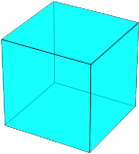
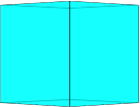
Rotation can be in 2D and 3D


NVR - Series
Unlocking the Patterns in Non-Verbal Reasoning
Rotation
Shape
Quantity
Colour
Location
Combinations
Rotational Changes
A special type of "rotation" is mirroring.


NVR - Series
Unlocking the Patterns in Non-Verbal Reasoning
Rotation
Shape
Quantity
Colour
Location
Combinations
Rotational Changes
A special type of "rotation" is mirroring.
Mirroring is different from rotation, and you should always determine whether something is rotated or mirrored.

NVR - Series
Unlocking the Patterns in Non-Verbal Reasoning
Rotation
Shape
Quantity
Colour
Location
Combinations
Rotational Changes
A special type of "rotation" is mirroring.
Mirroring is different from rotation, and you should always determine whether something is rotated or mirrored.
NVR - Series
Unlocking the Patterns in Non-Verbal Reasoning
Rotation
Shape
Quantity
Colour
Location
Combinations
Shape
Shapes can change in many different ways. Objects can grow, shrink, have parts added or removed.
A special type of change is when a shape has more sides or corners added.

Study this series:
NVR - Series
Unlocking the Patterns in Non-Verbal Reasoning
Rotation
Shape
Quantity
Colour
Location
Combinations
Shape
Shapes can change in many different ways. Objects can grow, shrink, have parts added or removed.
A special type of change is when a shape has more sides or corners added.
Study this series:
NVR - Series
Unlocking the Patterns in Non-Verbal Reasoning
Rotation
Shape
Quantity
Colour
Location
Combinations
Shape
Shapes can change in many different ways. Objects can grow, shrink, have parts added or removed.
A special type of change is when a shape has more sides or corners added.
Study this series:
NVR - Series
Unlocking the Patterns in Non-Verbal Reasoning
Rotation
Shape
Quantity
Colour
Location
Combinations
Shape
Shapes can change in many different ways. Objects can grow, shrink, have parts added or removed.
A special type of change is when a shape has more sides or corners added.
Study this series:
NVR - Series
Unlocking the Patterns in Non-Verbal Reasoning
Rotation
Shape
Quantity
Colour
Location
Combinations
Shape
Shapes can change in many different ways. Objects can grow, shrink, have parts added or removed.
A special type of change is when a shape has more sides or corners added.
Study this series:
NVR - Series
Unlocking the Patterns in Non-Verbal Reasoning
Rotation
Shape
Quantity
Colour
Location
Combinations
Shape
Study this series:
It may look random at first, but if you count the sides of each object, you'll notice a pattern.
NVR - Series
Unlocking the Patterns in Non-Verbal Reasoning
Rotation
Shape
Quantity
Colour
Location
Combinations
Shape
Study this series:
It may look random at first, but if you count the sides of each object, you'll notice a pattern.
NVR - Series
Unlocking the Patterns in Non-Verbal Reasoning
Rotation
Shape
Quantity
Colour
Location
Combinations
Quantity
We have already looked at quantitative changes. The most obvious ones are simple incremental growth.
NVR - Series
Unlocking the Patterns in Non-Verbal Reasoning
Rotation
Shape
Quantity
Colour
Location
Combinations
Quantity
Some changes, however, can be more subtle:
NVR - Series
Unlocking the Patterns in Non-Verbal Reasoning
Rotation
Shape
Quantity
Colour
Location
Combinations
Quantity
Some changes, however, can be more subtle:
NVR - Series
Unlocking the Patterns in Non-Verbal Reasoning
Rotation
Shape
Quantity
Colour
Location
Combinations
Quantity
Some changes, however, can be more subtle:
NVR - Series
Unlocking the Patterns in Non-Verbal Reasoning
Rotation
Shape
Quantity
Colour
Location
Combinations
Quantity
Some changes, however, can be more subtle:
It's harder to spot, but if you count the squares in each circle, you will still spot a clear pattern.
NVR - Series
Unlocking the Patterns in Non-Verbal Reasoning
Rotation
Shape
Quantity
Colour
Location
Combinations
Colour changes
Colour changes are less common, but you may still come across these for your 11+. Study the shapes below:
NVR - Series
Unlocking the Patterns in Non-Verbal Reasoning
Rotation
Shape
Quantity
Colour
Location
Combinations
Colour changes
Colour changes are less common, but you may still come across these for your 11+. Study the shapes below:
NVR - Series
Unlocking the Patterns in Non-Verbal Reasoning
Rotation
Shape
Quantity
Colour
Location
Combinations
Colour changes
Colour changes are less common, but you may still come across these for your 11+. Study the shapes below:
NVR - Series
Unlocking the Patterns in Non-Verbal Reasoning
Rotation
Shape
Quantity
Colour
Location
Combinations
Colour changes
Colour changes are less common, but you may still come across these for your 11+. Study the shapes below:
As you probably spotted, each shape is gradually turning a darker shade of red.
NVR - Series
Unlocking the Patterns in Non-Verbal Reasoning
Rotation
Shape
Quantity
Colour
Location
Combinations
Locational changes
Some times objects will move around in certain patterns. Have a look at these shapes:
NVR - Series
Unlocking the Patterns in Non-Verbal Reasoning
Rotation
Shape
Quantity
Colour
Location
Combinations
Locational changes
Some times objects will move around in certain patterns. Have a look at these shapes:
NVR - Series
Unlocking the Patterns in Non-Verbal Reasoning
Rotation
Shape
Quantity
Colour
Location
Combinations
Locational changes
Some times objects will move around in certain patterns. Have a look at these shapes:
NVR - Series
Unlocking the Patterns in Non-Verbal Reasoning
Rotation
Shape
Quantity
Colour
Location
Combinations
Locational changes
Some times objects will move around in certain patterns. Have a look at these shapes:
The white squares move from corner to corner in a clockwise motion.
NVR - Series
Unlocking the Patterns in Non-Verbal Reasoning
Rotation
Shape
Quantity
Colour
Location
Combinations
Locational changes
For locational changes, it is important to determine the pattern of the change. Things can move from side to side, corner to corner, up and down. Identifying the pattern will help you predict what happens next.
NVR - Series
Unlocking the Patterns in Non-Verbal Reasoning
Rotation
Shape
Quantity
Colour
Location
Combinations
Combinations of changes
Most question will contain a combination of the types of changes we have looked at so far. The trick is to determine and remember all the various changes and using them to predict the next step.
NVR - Series
Unlocking the Patterns in Non-Verbal Reasoning
Rotation
Shape
Quantity
Colour
Location
Combinations
Combinations of changes
Most question will contain a combination of the types of changes we have looked at so far. The trick is to determine and remember all the various changes and using them to predict the next step.
NVR - Series
Unlocking the Patterns in Non-Verbal Reasoning
Rotation
Shape
Quantity
Colour
Location
Combinations
Combinations of changes
NVR - Series
Unlocking the Patterns in Non-Verbal Reasoning
Rotation
Shape
Quantity
Colour
Location
Combinations
Combinations of changes
NVR - Series
Unlocking the Patterns in Non-Verbal Reasoning
Rotation
Shape
Quantity
Colour
Location
Combinations
Combinations of changes
NVR - Series
Unlocking the Patterns in Non-Verbal Reasoning
Rotation
Shape
Quantity
Colour
Location
Combinations
Combinations of changes
NVR - Series
Unlocking the Patterns in Non-Verbal Reasoning
Rotation
Shape
Quantity
Colour
Location
Combinations
Combinations of changes
NVR - Series
Unlocking the Patterns in Non-Verbal Reasoning
Rotation
Shape
Quantity
Colour
Location
Combinations
Combinations of changes
NVR - Series
Unlocking the Patterns in Non-Verbal Reasoning
Rotation
Shape
Quantity
Colour
Location
Combinations
Combinations of changes
Answer C is the correct answer.
NVR - Series
Unlocking the Patterns in Non-Verbal Reasoning
Red herrings
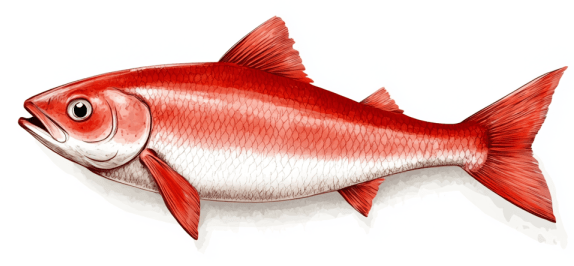
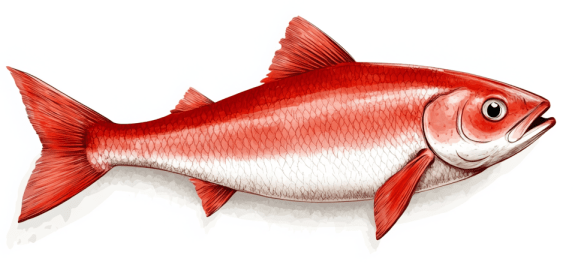
A red herring is a clue that is misleading. They are often included in 11+ NVR questions to trick you into selecting the wrong answer.
NVR - Series
Unlocking the Patterns in Non-Verbal Reasoning
Red herrings
A red herring is a clue that is misleading. They are often included in 11+ NVR questions to trick you into selecting the wrong answer.
NVR - Series
Unlocking the Patterns in Non-Verbal Reasoning
This can look confusing as we're struggling to find a pattern between the movement of the squares, the colours and the face shape.
NVR - Series
Unlocking the Patterns in Non-Verbal Reasoning
This can look confusing as we're struggling to find a pattern between the movement of the squares, the colours and the face shape.
In such cases it can be easy to opt for something that seems to fit in simply owing to familiarity. Option C is a mirror image of the first shape, and option D is also very similar.
NVR - Series
Unlocking the Patterns in Non-Verbal Reasoning
In such cases it can be easy to opt for something that seems to fit in simply owing to familiarity. Option C is a mirror image of the first shape, and option D is also very similar.
It can be tempting to choose something that "feels right" even when we cannot fully explain the logical sequence.
NVR - Series
Unlocking the Patterns in Non-Verbal Reasoning
It can be tempting to choose something that "feels right" even when we cannot fully explain the logical sequence.
But if we disregard the shapes of the faces and the colour of the squares, this is actually a very simple sequence:
NVR - Series
Unlocking the Patterns in Non-Verbal Reasoning
It can be tempting to choose something that "feels right" even when we cannot fully explain the logical sequence.
But if we disregard the shapes of the faces and the colour of the squares, this is actually a very simple sequence:
NVR - Series
Unlocking the Patterns in Non-Verbal Reasoning
The colour variations to the square and the different faces are red herrings design to confuse you. It's impossible to find a logical pattern that explains options A, C and D. But if we disregard the red herrings, we can explain the logic behind option B.
NVR - Series
Unlocking the Patterns in Non-Verbal Reasoning
If something seems to not follow any particular logic, it may be that it is not important for the answer. In this case the red square stands out. We can't quite explain why it is red. We don't have enough data to say if there is a pattern to the red squares, so it may be an indication that colour is not important.
Always try to explain the logical pattern behind the series. Don't let yourself be tempted by a feeling 'that seems right' if you can't explain it.
Working backwards from the answer alternatives
Working backwards from the answer alternatives
If you cannot quickly work out a pattern from a series, looking at the available answers may be a good strategy.
Working backwards from the answer alternatives
If you cannot quickly work out a pattern from a series, looking at the available answers may be a good strategy.
This can help you save time on complicated questions and it can reduce the risk of mistakes.
Working backwards from the answer alternatives
If you cannot quickly work out a pattern from a series, looking at the available answers may be a good strategy.
This can help you save time on complicated questions and it can reduce the risk of mistakes.
Tests may also include questions that can only be solved by looking at the available answers in order to rule out certain patterns.
Working backwards from the answer alternatives
Tests may also include questions that can only be solved by looking at the available answers in order to rule out certain patterns.
Working backwards from the answer alternatives
Tests may also include questions that can only be solved by looking at the available answers in order to rule out certain patterns.
We can easily identify the pattern of the white arrow. It moves corner to corner in an anticlockwise pattern, pointing to the corners.
And at first glance it may seem that the dark arrow alternately points up and down.
This would mean that the next step should have an arrow pointing up. But when we look at the available answers, that is not an option.
Working backwards from the answer alternatives
Tests may also include questions that can only be solved by looking at the available answers in order to rule out certain patterns.
We can easily identify the pattern of the white arrow. It moves corner to corner in an anticlockwise pattern, pointing to the corners.
And at first glance it may seem that the dark arrow alternately points up and down.
This would mean that the next step should have an arrow pointing up. But when we look at the available answers, that is not an option.
We must therefore look for a different pattern. What other pattern does the dark arrow follow?
It's always on the lefthand side. But at the top or bottom? You might notice that it is always located closest to the side it is pointing to. So, when it points up it floats to the top, when it points down, it sinks to the bottom.
Working backwards from the answer alternatives
Tests may also include questions that can only be solved by looking at the available answers in order to rule out certain patterns.
This would mean that the next step should have an arrow pointing up. But when we look at the available answers, that is not an option.
We must therefore look for a different pattern. What other pattern does the dark arrow follow?
It's always on the lefthand side. But at the top or bottom? You might notice that it is always located closest to the side it is pointing to. So, when it points up it floats to the top, when it points down, it sinks to the bottom.
Only one alternative follows this pattern. In B it is at the top but pointing down, for C it is pointing sideways towards the side and we can rule out D as the shape is completely different from that in the series.
Working backwards from the answer alternatives
Tests may also include questions that can only be solved by looking at the available answers in order to rule out certain patterns.
It's always on the lefthand side. But at the top or bottom? You might notice that it is always located closest to the side it is pointing to. So, when it points up it floats to the top, when it points down, it floats to the bottom.
Only one alternative follows this pattern. In B it is at the top but pointing down, for C it is pointing sideways towards the side and we can rule out D as the shape is completely different from that in the series.
This leaves only option A. The white arrow follows the logical pattern we have identified and we have a logical explanation for the position and direction of the dark arrow.

Well done! You should now have a very good understanding of series in non-verbal reasoning. NVR requires a lot of practice, however, so the next step is to get going with some of our NVR mock tests. Don't despair if your first scores aren't as good as you had hoped. The key to NVR tests is familiarity with the question types. Keep practicing and you will notice that you get a little bit better and a little bit faster each time.